The Build-Out Intercept: Securing Commercial Painting & Flooring Contracts on New Leases
Most commercial painting and epoxy flooring contractors spend their days fighting for scraps on public bid boards, competing against ten other companies in a race to the bottom on price. The real money is intercepting the tenant before the general contractor is even hired. When a business signs a new lease for a warehouse or office space, the very first thing they need before they can move equipment in is a fresh build-out—paint and flooring. By identifying the lease signing early using intent data, you can pitch the business owner directly, securing the contract before the project ever goes out to bid.
1. The Pre-GC Direct Pitch
By the time a General Contractor (GC) is requesting bids for painting and epoxy flooring, your margins are already being squeezed. The GC is looking for the lowest subcontractor to maximize their own profit.
You must bypass the GC entirely.
When you get a LeadDeed alert that a logistics company just signed a lease on a 50,000 sq ft warehouse, you call the Operations Director directly.
The Script: "John, congratulations on the new facility on Industrial Blvd. I know you're still finalizing the move-in timeline, but before you bring heavy equipment or racking systems in, you'll need the concrete sealed and the warehouse striped. We specialize in zero-downtime industrial epoxy. If we get in there next week before your build-out starts, we can knock it out in 3 days for 20% less than a GC will upcharge you for it."
2. The "Heavy Equipment Hazard" Wedge
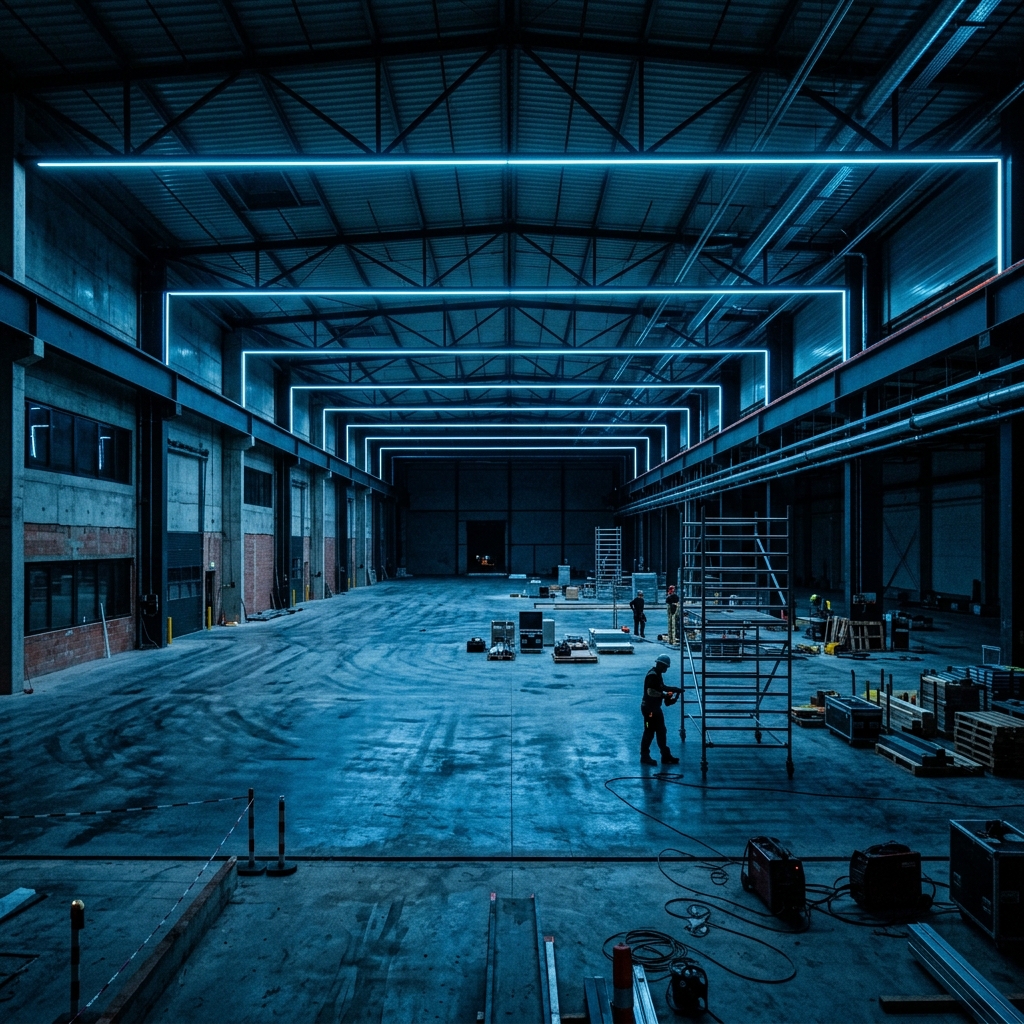
Businesses moving into industrial spaces often don't realize the chronological nightmare of doing floors after they move in.
Use this as your wedge. If they wait, they will have to halt operations, move heavy racking, and deal with curing fumes while their employees are trying to work.
The Wedge: "If you wait until you are moved in to realize the concrete is dusting or the floor isn't rated for your new forklifts, you'll have to shut down operations for a week to let the epoxy cure. Doing it right now while the space is empty is the only way to avoid downtime."

3. The "White-Box" Landlord Reversion
If a business is leaving a lease, they are usually contractually obligated to return the space to a "white-box" condition for the landlord. This means repainting the walls neutral colors and fixing floor damage.
When you see a business expanding to a new location, that means they are vacating their old one.
The Script: "Since you're moving to the new HQ next month, I assume your landlord is requiring a white-box reversion on your current lease? If you leave it to the landlord's contractors, they will deduct double from your security deposit. We can go in the day after you move out and spray the entire interior overnight so you get your full deposit back."

4. The Facility Maintenance Retainer
A $40,000 warehouse epoxy job is great, but recurring revenue builds empires. Once you secure the initial build-out, upsell a quarterly maintenance retainer. Commercial spaces suffer extreme wear and tear.
Offer a "Facility Aesthetics Protection Plan." For $500 a month, your team comes in on a Saturday to touch up high-traffic hallways, fix scuffed epoxy, and repaint loading dock lines. You become an integrated part of their facility management rather than a one-off vendor.
The Build-Out Revenue Matrix
| Service Type | Target Target | Avg. Deal Size | Contract Timeline |
|---|---|---|---|
| Industrial Epoxy Flooring | Warehouses, Manufacturing, Auto | $25,000 - $150,000 | 1-2 Weeks (Pre-Move) |
| Commercial Interior Paint | Offices, Retail, Healthcare | $15,000 - $50,000 | 1 Week (Pre-Move) |
| White-Box Reversion | Vacating Tenants | $5,000 - $20,000 | 2-3 Days (Post-Move) |
| Aesthetics Maintenance | All Commercial Facilities | $500 - $1,500 / mo | Ongoing (Quarterly) |
Masterclass Video Sources
The tactical strategies in this playbook were adapted from leading experts in B2B commercial painting and flooring sales:

Written by Brian Vasquez
Brian Vasquez is a Software Systems Architect and the Founder of LeadDeeds. Currently building with custom open-source agentic AI tools he authored, Brian engineers autonomous data pipelines powered by J.O.S.H.U.A.—a specialized A.I.M. OS agent that ingests raw public records to deliver early-stage commercial sales intelligence.
Beyond LeadDeeds, Brian builds public trust infrastructure (ayrianna.com) and operates a real-world commercial service business in Florida (tbsoftwash.com).