The Contractor Intercept: Selling Massive Commercial Insurance & Surety Bonds via Permit Triggers
The commercial insurance industry is notoriously cutthroat. When a massive commercial project kicks off, every broker in town is trying to get the general contractor on the phone.
But if you wait until the contractor starts breaking ground to pitch a General Liability (GL) policy or a Surety Bond, you're already six months too late. The deal has been signed, the incumbent broker has locked down the accounts, and you are relegated to leaving voicemails.
To win 6-figure and 7-figure commercial premiums, you must master The Contractor Intercept.
The Intercept occurs at the exact moment a contractor pulls a massive commercial building permit. This physical, public-record event is the ultimate catalyst for an insurance audit. It proves, undeniably, that their risk profile has just exploded.
Here is the exact 3-step playbook for intercepting these massive commercial builds using real-time permit data.
1. The "Commercial Auto & Equipment" Wedge
When a contractor wins a massive bid, their immediate focus is logistics. They will be hauling more materials, mobilizing more crew members, and bringing incredibly expensive heavy equipment to the new site.

While the ultimate goal is to sell the overarching project GL and Surety Bonds, the most effective entry point is often Commercial Auto and Equipment coverage. Use the permit data to make a highly specific cold call:
"With the massive new commercial project you just permitted downtown, are your new crew trucks and transported tools fully covered for a site of this scale, or are you still relying on basic policies?"
Use the fear of uninsured tool theft or wrecked work trucks at the new job site to create urgency. Once you have your "foot in the door" by protecting their physical assets, you can seamlessly pivot to the larger requirement: "Since we're updating your fleet coverage for this build, let's bundle in the massive General Liability and Surety Bonds the city is going to require for a project of this scale."
2. The "Completed Operations" Audit & Umbrella Pivot
A newly pulled massive commercial permit is the ultimate weapon for exposing gaps in a contractor's current coverage.
Standard Business Owner Policies (BOP) or basic $1M-$2M GL limits are fundamentally insufficient for serious commercial builds. These baseline policies often exclude specific hazards like pollution, action-over claims, or designated premises limitations.
Call the contractor immediately after the permit is pulled and focus on the sheer scale of the new build:
"I saw you pulled the permit for the new commercial complex. A standard $2M limit won't cover a catastrophic loss on a project this size, and standard policies often exclude 'Completed Operations' liability for massive commercial builds. We need to secure an Excess Liability (Umbrella) policy and the requisite Surety Bonds today so your crew isn't exposed the second they break ground."
A massive permit is undeniable proof that a contractor needs an Excess Liability policy. You are no longer selling "insurance"; you are securing the project's timeline and protecting the owner's personal assets.
3. The "Reverse Selling" Disarmament Strategy
When a massive commercial permit hits the wire, the contractor's phone is going to ring off the hook. If you sound like every other broker pitching a "free policy review," they will hang up.
To penetrate their defenses, you must employ the psychological tactic of Reverse Selling. Instead of pitching, you sell against your own interest to disarm their resistance.
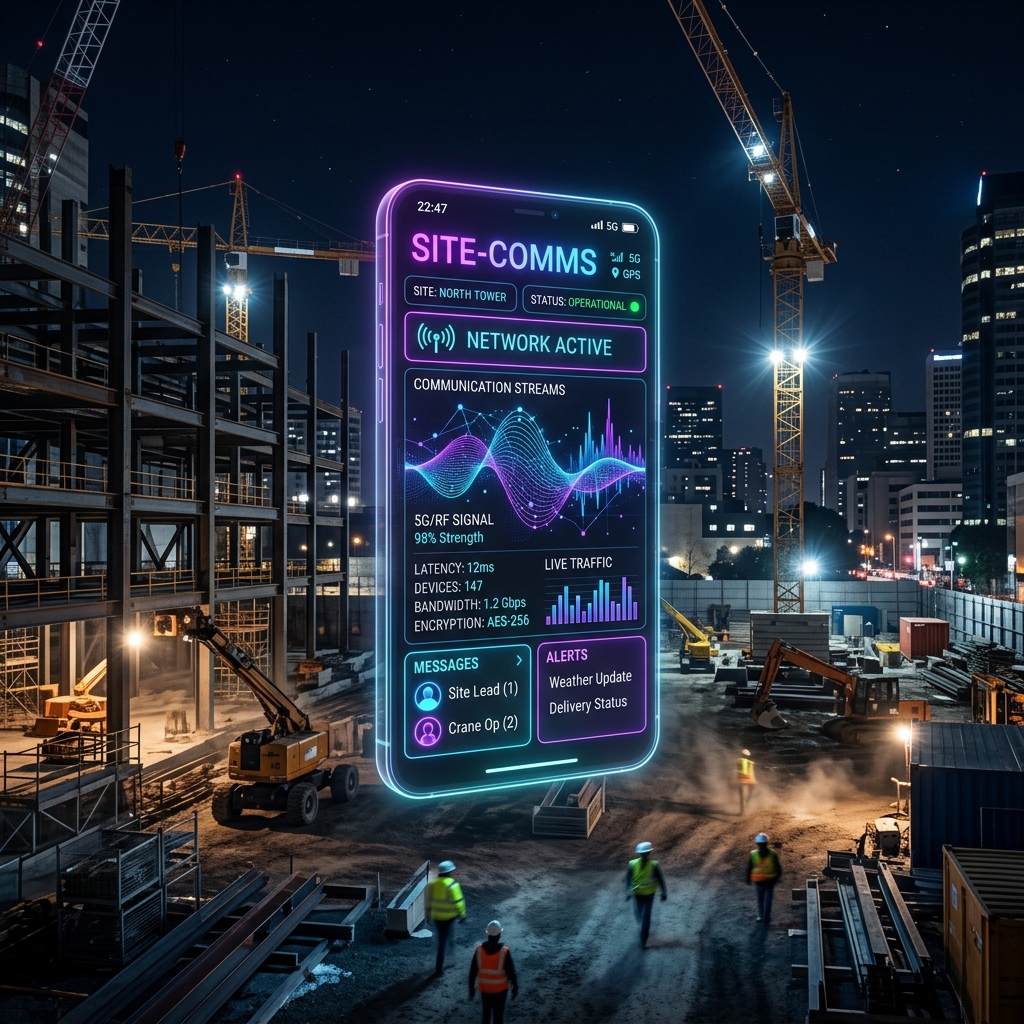
Here is the exact script to use when a massive permit drops:
"Hey John, I saw you just pulled the massive permit for the downtown commercial build. I'm sure every broker in town is blowing up your phone right now, and this is the absolute last call you wanted to take. I'm not sure if this is even of any value to you, but usually, a project this size requires complex Surety Bonds and Excess GL that standard brokers can't secure fast enough. You probably already have this handled with your current guy, but would you even consider letting me run a quick audit to ensure you're fully bonded for next week's start date?"
By immediately acknowledging the annoyance of the call and assuming they already have it handled, you lower their guard. You position yourself not as a desperate salesperson, but as a high-level consultant offering a critical safety net.
The Missing Link: Speed to Lead
None of these tactics work if you find out about the permit weeks after it's published.
By leveraging platforms that monitor real-time civic portals and commercial buildout permits, you can be the very first broker to call. The goal isn't to convince everyone—it's to quickly sort through the real-time permit data to find the 10% of contractors who are unhappy with their current broker's inability to secure massive bonds fast enough.
Contractor Insurance Risk Profile
| Trade Class | WC Risk | GL Risk | Target Premium | Key Wedge Issue |
|---|---|---|---|---|
| Roofing | Severe | High | $50k+ | Fall protection compliance gaps |
| HVAC / Mechanical | Medium | Medium | $25k+ | Equipment damage in transit |
| General Contractors | High | Severe | $100k+ | Subcontractor liability transfers |
| Electrical | Low | High | $20k+ | Fire hazard exclusions |
Masterclass Video Sources
The tactical strategies in this playbook were synthesized from the following expert insurance sales masterclasses:
Written by Brian Vasquez
Brian Vasquez is a Software Systems Architect and the Founder of LeadDeeds. Currently building with custom open-source agentic AI tools he authored, Brian engineers autonomous data pipelines powered by J.O.S.H.U.A.—a specialized A.I.M. OS agent that ingests raw public records to deliver early-stage commercial sales intelligence.
Beyond LeadDeeds, Brian builds public trust infrastructure (ayrianna.com) and operates a real-world commercial service business in Florida (tbsoftwash.com).