The Florida Generator Intercept: Selling Commercial Standby Power & Emergency Infrastructure via Intent Signals
The Florida Generator Intercept: Selling Commercial Standby Power & Emergency Infrastructure via Intent Signals
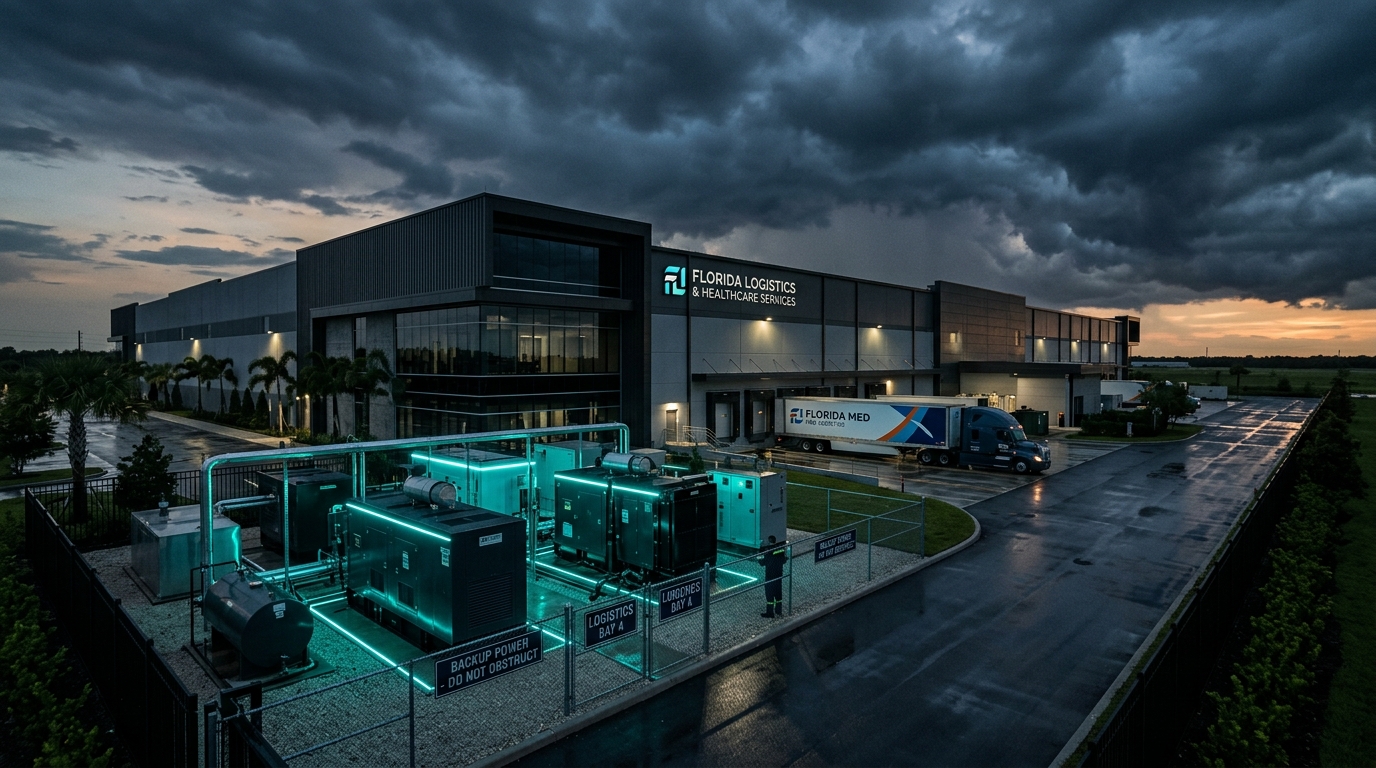
In Florida, hurricane season isn't a probability—it's an inevitability. Commercial facilities—specifically Healthcare, Assisted Living Facilities (ALFs), Cold Storage, and Distribution centers—cannot afford a single second of power failure.
The strategy is to intercept these high-risk B2B clients months before a storm hits, shifting your electrical contracting business from low-margin transactional work to high-ticket emergency power infrastructure and predictable multi-year service agreements.
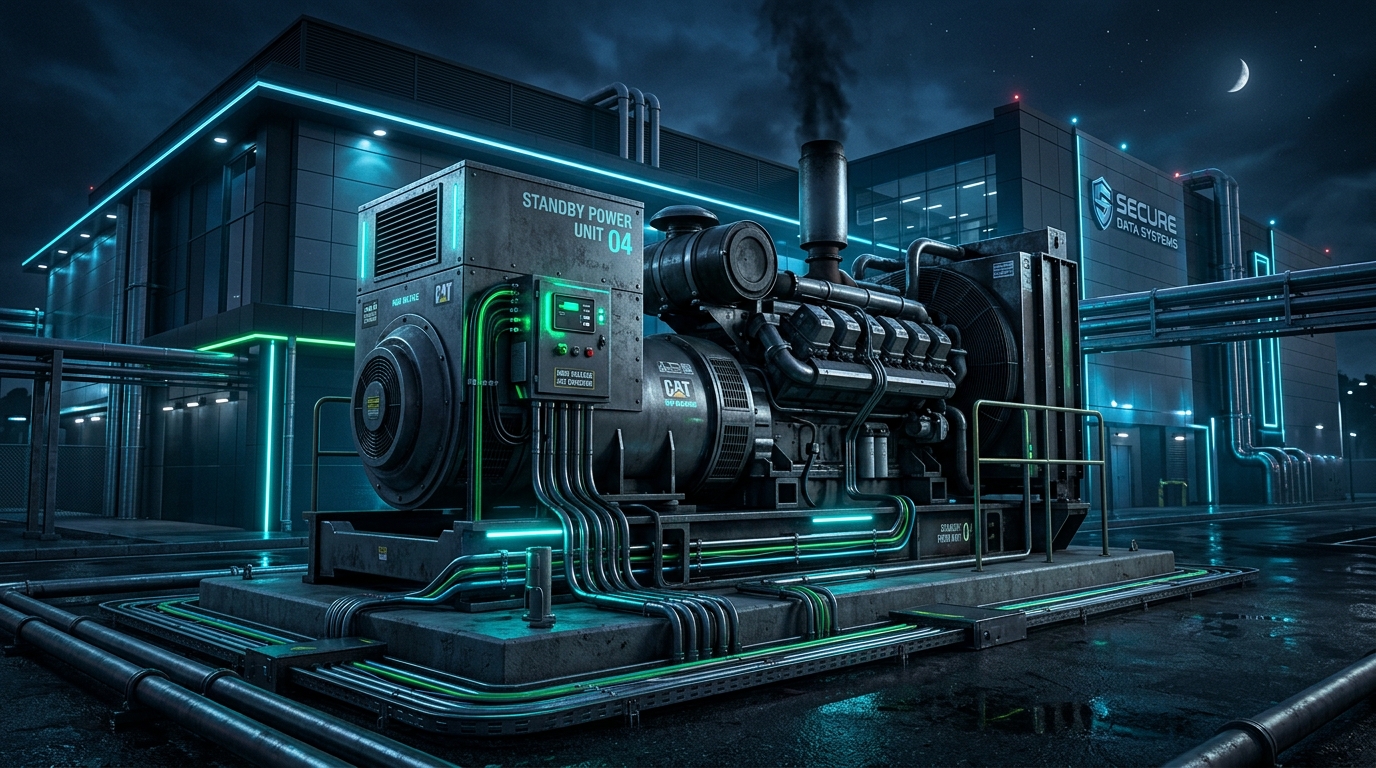
The Supply Chain Reality Check: The average wait time for commercial switchgear and heavy-duty standby generators can be 20 to 40 weeks. If a client waits until June to think about hurricane prep, they are already too late. Use this long lead time as your primary urgency lever.
1. Target Verticals & The "Fear of Future Pain"
People buy based on two emotional drivers: current pain and the fear of future pain. You must expose the true cost of downtime to facility directors:
- Healthcare & ALFs (Life Safety): If the grid goes down, how do they safely evacuate 500 beds? Life safety is the ultimate leverage under Florida statutory mandates.
- Cold Storage & Logistics (Business Interruption): A 48-hour outage means millions of dollars in spoiled inventory and frozen logistics penalties.
- Commercial Manufacturing: Complete loss of productivity. Hourly downtime costs are astronomical.
2. Generac vs. Kohler Commercial Applications
When pitching commercial backup power, present an automated, seamless solution that eliminates portable power hazards (automatic transfer switch kick-on within seconds):
- Generac Standby Systems:
- Advantage: Higher starting wattage, crucial for starting heavy commercial AC loads and industrial motors.
- Value: Lower initial price per kilowatt, making it attractive for budget-conscious facilities needing massive raw output.
- Kohler Standby Systems:
- Advantage: Unmatched fuel economy and lower consumption rates (Natural Gas/Propane).
- Value: Operates at lower RPMs with low noise levels. Ideal for ALFs and residential-adjacent commercial properties with strict noise ordinances.
3. The Multi-Year Service Agreement (The Recurring Revenue Multiplier)
Never sell just the generator hardware. The installation is the gateway to Predictable Recurring Revenue:
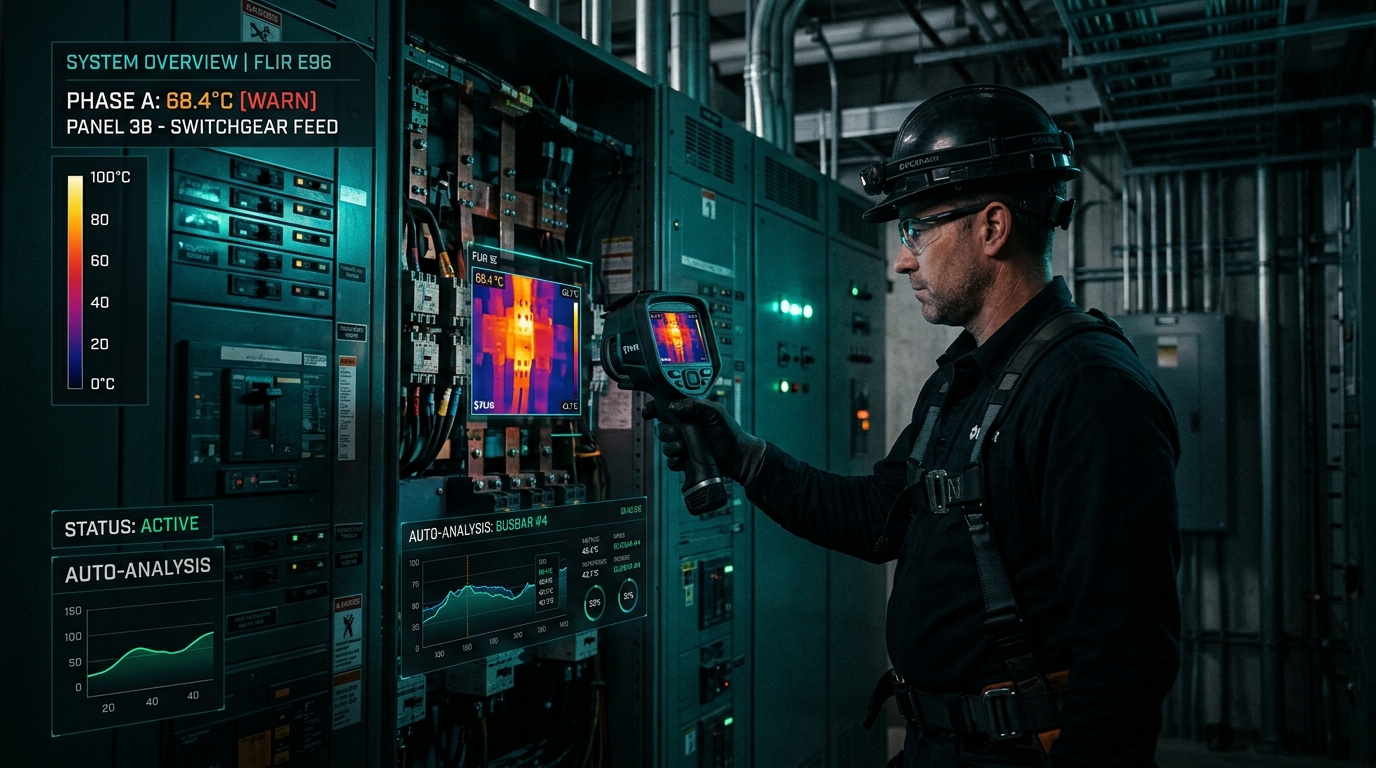
- NFPA 70E & 70B Compliance: Pitch complete electrical preventative maintenance (EPM).
- Advanced Testing: Include thermal imaging and ultrasonic testing.
- The Insurance Angle: Companies like Chubb and FM Global offer reduced premiums for facilities with strict electrical preventative maintenance programs. You aren't just selling a generator; you are lowering their insurance risk profile.
The 3:1 Pull-Through Ratio: A successful commercial contractor aims for a 3:1 pull-through ratio. For every $100,000 in maintenance agreements sold, expect to pull through $300,000 in repair work, panel replacements, and surge protection upgrades.
4. Tactical Scripts for the Florida Intercept
Script A: Deframing the "Let's Wait Until Next Year" Objection
Prospect: "We've survived the last few seasons. We're going to push this budget item to next year."
You: "Can I ask you something? And you can always get back to me down the road... How can I communicate to you that you might be making a mistake without you getting upset with me?"
Prospect: "Uh, sure, what do you mean?"
You: "I'm concerned for you. Because what happens if a Category 4 hits this September and you lose power for a week? The supply chain for switchgear and generators is currently up to 40 weeks out. How do you safely evacuate your residents without power or AC?"
Prospect: "That would be a disaster for us."
You: "And what happens to the facility's license, your insurance liability, and your reputation at that point? ... Why push this down the road like a lot of facility directors who end up caught in a crisis, rather than securing your infrastructure today?"
Script B: Destroying the "Too Expensive" Objection
Prospect: "Your proposal for this standby system and maintenance contract is really expensive. We have a cheaper bid."
You: "Well, Mr. Prospect, take a guess. Why do you think our installation and maintenance program is more expensive than everybody else?"
Prospect: "I guess you guys are the best in the area?"
You: "Exactly. Do you want the best for your facility's life-safety infrastructure, or do you want the cheapest? When you're the best, no one expects you to be the cheapest. Which one do you want protecting your business when the grid goes down?"
The ROI Matrix: Emergency Infrastructure Intercept
| Metric | Traditional Electrical Contractor | The LeadDeed Intent Intercept |
|---|---|---|
| Timing | Reactive (Calling after storm damage) | Proactive (Months before storm season) |
| Trigger Signal | Cold directory calling | DBPR Facility Licenses + Municipal Electrical Permits |
| Sales Pitch Angle | "We fix broken panels" | "Protect your facility license & cut insurance premiums" |
| Revenue Model | One-off transactional job | $50k+ equipment install + 3-year recurring maintenance |
| Pull-Through Ratio | 1:1 | 3:1 (Panel upgrades, surge, EPM) |
Masterclass Video Sources
Written by Brian Vasquez
Brian Vasquez is a Software Systems Architect and the Founder of LeadDeeds. Currently building with custom open-source agentic AI tools he authored, Brian engineers autonomous data pipelines powered by J.O.S.H.U.A.—a specialized A.I.M. OS agent that ingests raw public records to deliver early-stage commercial sales intelligence.
Beyond LeadDeeds, Brian builds public trust infrastructure (ayrianna.com) and operates a real-world commercial service business in Florida (tbsoftwash.com).