The Mechanical Intercept: Selling Commercial HVAC Upgrades & PM Contracts on New Leases
Commercial HVAC is a massive B2B sector, but if you are cold-calling businesses that are securely entrenched in their current leases, you are wasting your time. Unless their air conditioning is actively broken, they will not take your call.
The ultimate window of opportunity in commercial HVAC is when a business expands and signs a new commercial lease.
When a tenant moves into a new space, their heat load, employee density, and operational requirements change entirely. Yet, most expanding businesses blindly trust that the landlord's inherited rooftop units (RTUs) and base building HVAC are adequate.
You must intercept the expanding business using real-time lease data and disrupt their false sense of security. Here is the 3-step playbook for executing The Mechanical Intercept.
1. The Permission-Based Cold Call
When cold calling a business that just signed a lease, do not pitch HVAC parts or repairs. You must use a permission-based opener and immediately drop the relevance to their physical transition.
"Hey, I saw you just signed the lease at the new industrial park. Usually, when facility directors expand into a new space, they have two main focuses: ensuring the landlord's inherited HVAC systems won't cause unexpected operational downtime, and upgrading the infrastructure to meet their specific expanding needs. How does that resonate with your current build-out phase?"
Position yourself as a risk-mitigation expert who specializes in commercial lease transitions. Ask how they are evaluating the inherited system's capacity to handle their new server heat loads or employee density. Your only goal on this call is to secure the on-site walkthrough before the drywall goes up.
2. The "Oh Crap" Visual Proof
When you arrive for the site walkthrough, you cannot just hand them a quote. You must provide undeniable visual proof that relying on the landlord's equipment is a critical operational risk.
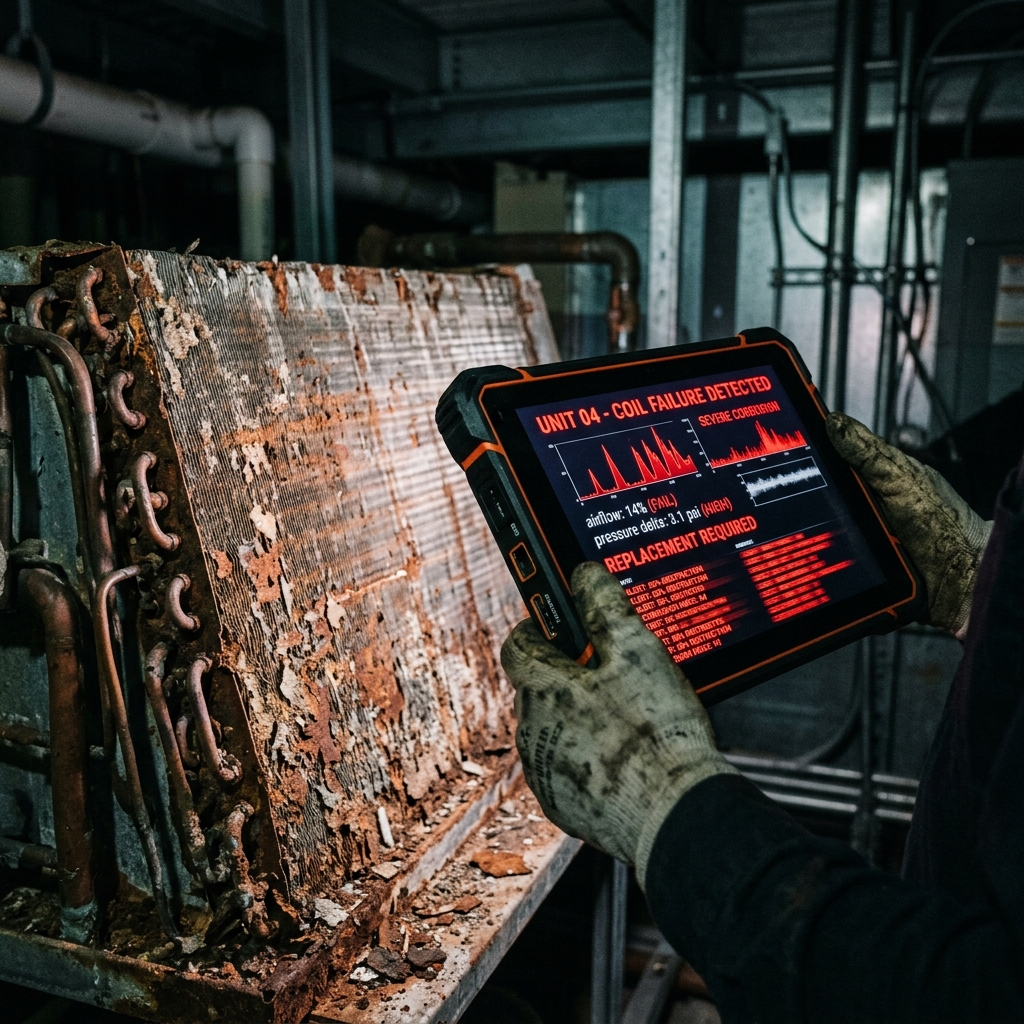
Take pictures and videos of the existing, often neglected equipment (e.g., rusted coils, damaged ductwork, outdated controls). Show these to the new tenant and explain:
"The landlord's guy didn't check the ductwork or the rusted coil. You are inheriting a system that could fail during your critical expansion phase."
Do not just offer a simple repair. Present tiered options (Good, Better, Best) tailored to their new operational needs, ranging from a baseline cleaning to a full system replacement with high-efficiency commercial equipment to guarantee zero downtime over their 5-10 year lease.
3. The 4-Touch PM Contract Pitch
Do not wait until the end of the site walkthrough to mention your Preventative Maintenance (PM) program. Introduce it organically at least four times throughout the consultation.
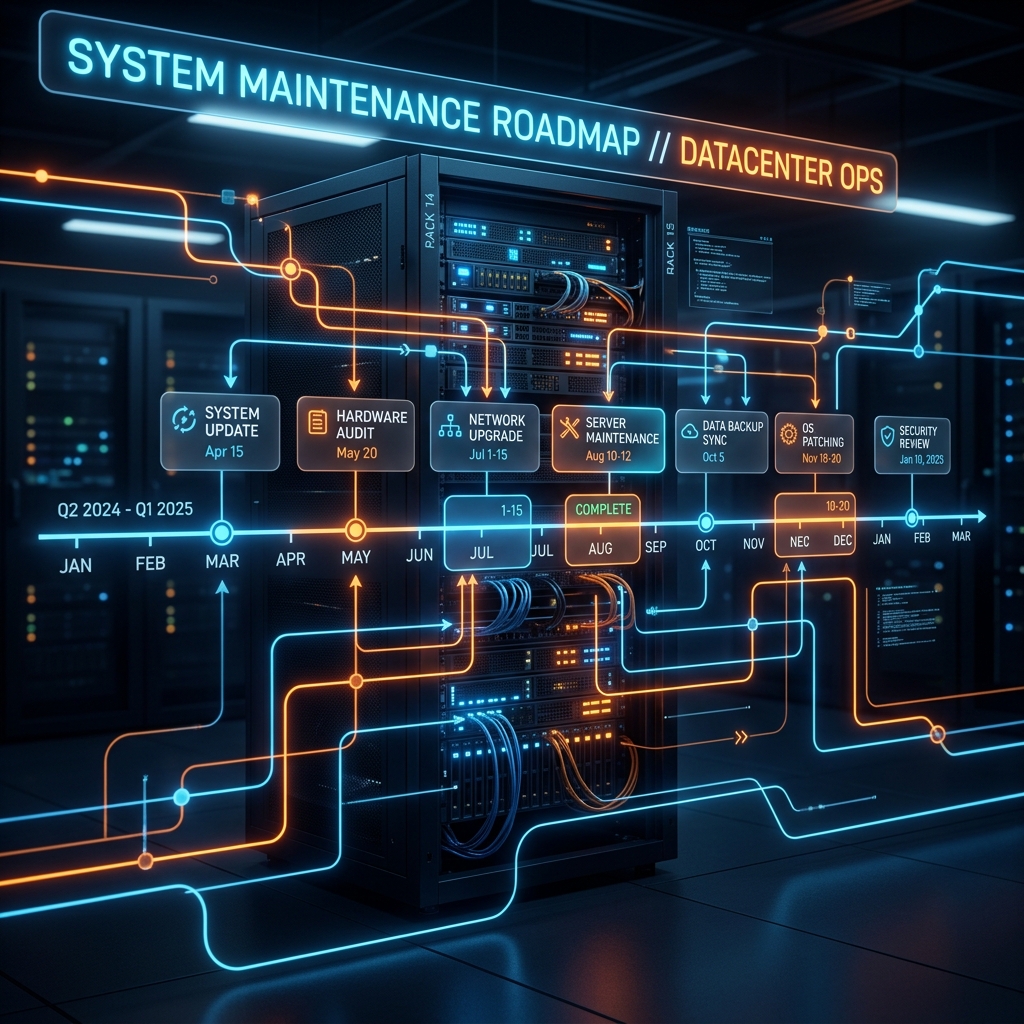
A stressful expansion often pushes clients to view maintenance as an unnecessary extra expense. You must use the "Cross-Country Road Trip" analogy to reframe their mindset:
"Moving your operations into this massive new space is like taking a 3,000-mile road trip. You wouldn't hit the road without a mechanic inspecting and tuning up your car first. Why would you run your entire business on the landlord’s uninspected HVAC system without baselining it first?"
Pitch the PM contract immediately as an operational necessity that catches 90% of issues before they happen, lowers utility bills by cleaning clogged coils, and acts as an extended warranty.
By proving that the PM agreement is an investment in risk mitigation, you secure recurring revenue and lock them in as a client for the duration of their lease.
HVAC Asset Lifecycle Analysis
| Asset Type | Expected Lifespan | Common Failure Point | PM Impact on Lifespan |
|---|---|---|---|
| Rooftop Unit (RTU) | 15-20 Years | Heat Exchanger Cracks | +25% Lifespan |
| Chiller System | 20-25 Years | Tube Fouling / Compressor | +30% Lifespan |
| Split System (Commercial) | 12-15 Years | Evaporator Coil Leaks | +20% Lifespan |
| VAV Boxes | 20+ Years | Actuator / Damper Failure | Enhances Efficiency |
Masterclass Video Sources
The tactical strategies in this playbook were synthesized from the following expert B2B HVAC sales masterclasses:
Written by Brian Vasquez
Brian Vasquez is a Software Systems Architect and the Founder of LeadDeeds. Currently building with custom open-source agentic AI tools he authored, Brian engineers autonomous data pipelines powered by J.O.S.H.U.A.—a specialized A.I.M. OS agent that ingests raw public records to deliver early-stage commercial sales intelligence.
Beyond LeadDeeds, Brian builds public trust infrastructure (ayrianna.com) and operates a real-world commercial service business in Florida (tbsoftwash.com).